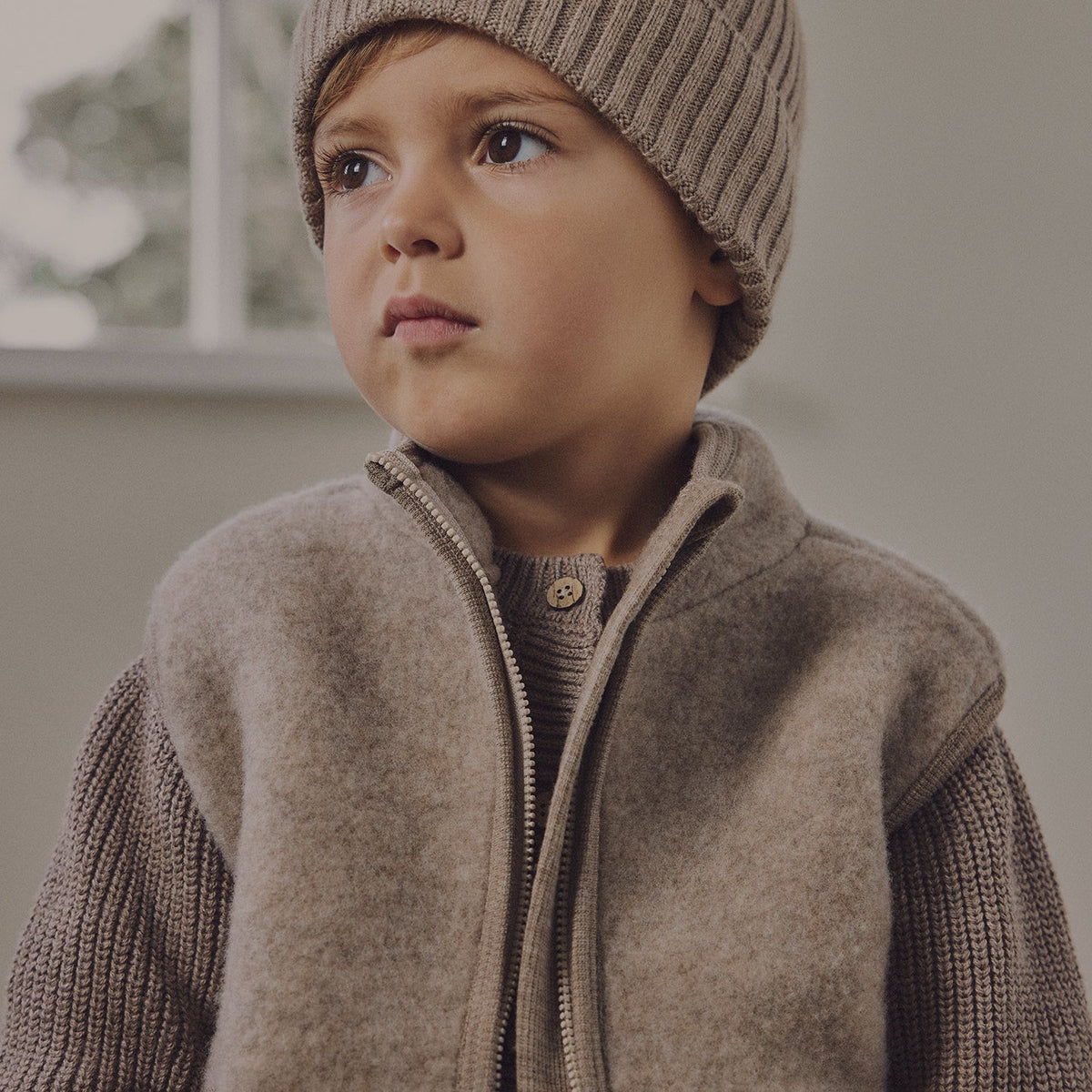
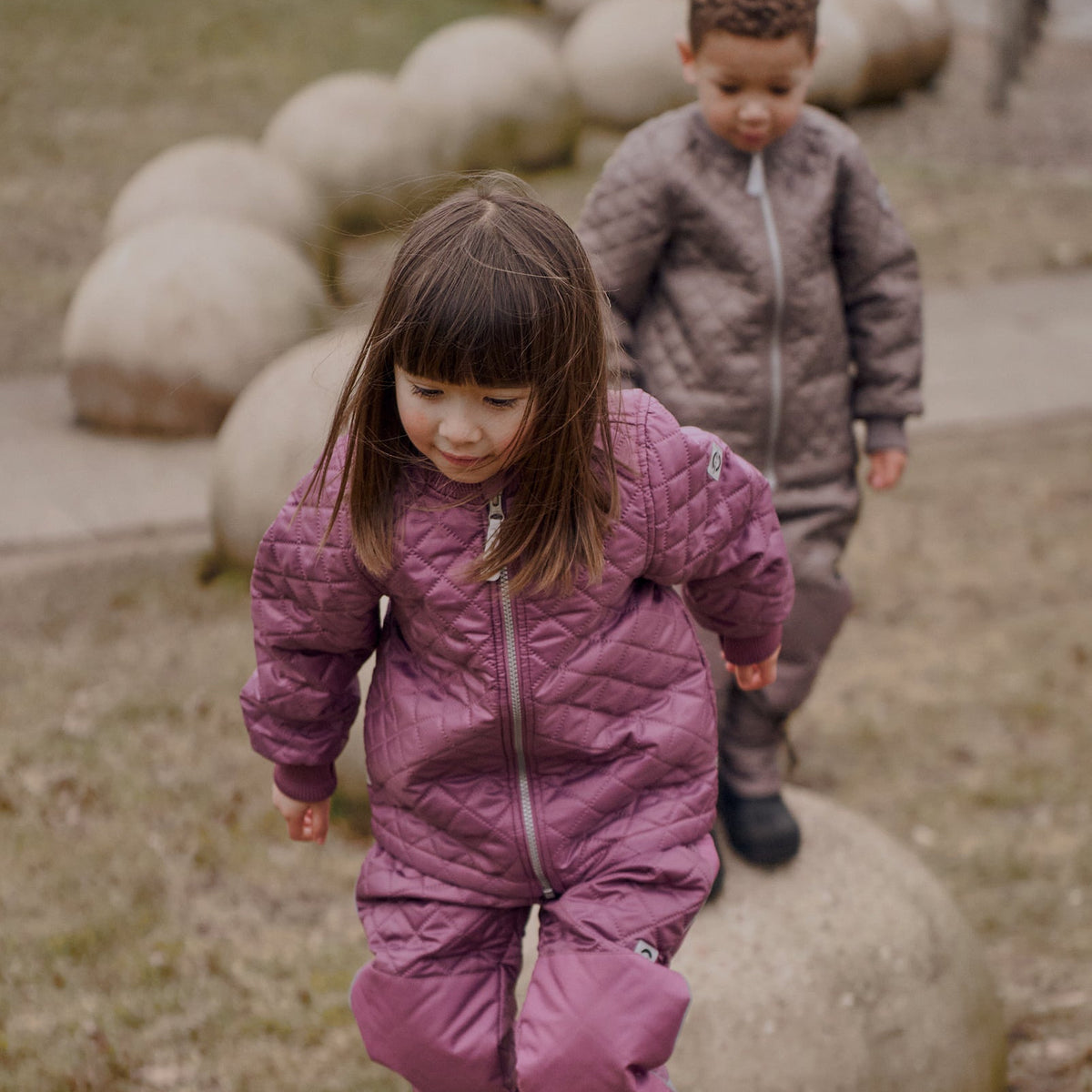
Wheat thermal boots for children who play in snow, mud and wet terrain
Wheat thermal boots are for you if you are looking for more than ordinary lined rubber boots. Here you will find Wheat Footwear thermal styles for children who need lightweight, waterproof boots for cold, wet and muddy days. They are especially well suited to children who are not just popping quickly in and out, but who play, run and splash around for much of the day.
When choosing a pair, three things usually matter most: how cold the weather is, how high the shaft should be and how much growing room your child needs. Wheat Footwear thermal boots come in several versions, making it easier to find a style that suits both your child’s age and what the boots will be used for. On the coldest days, a taller model offers a little extra protection, while a low or mid-height model is often just right for transitional seasons.
What makes Wheat Footwear thermal boots different
Wheat Footwear thermal boots stand out because they are made with natural materials such as wheat, cork and natural rubber instead of heavy synthetics. This gives them a lighter, more flexible feel on the foot than many classic winter boots and traditional rubber boots. The boots are also PVC-free and glue-free, which says a lot about the way Wheat approaches children’s footwear.
It is not only the materials that make a difference, but also how the boots work in a child’s everyday life. The cork inlay helps retain warmth, while the flexible natural rubber sole makes it easier for your child to move freely. Several styles also have water drainage in the sole, so they handle wet conditions better, and reflective details are a useful touch on dark mornings and late afternoons.
Compared with more traditional rubber boots, Wheat Footwear thermal boots are often a great choice for children who spend longer periods outdoors and need warmth, grip and freedom of movement.
Which Wheat thermal boot is right for your child?
The best choice usually depends more on season and activity than on appearance. Wheat thermal boots are typically available as:
- Thermo Winter – a higher shaft and the most insulation for cold days and more demanding winter weather.
- Thermo Mid – a versatile choice for autumn and winter, when your child meets rain, cold and muddy playgrounds.
- Thermo Low – good for milder weather where waterproof protection and a light thermal effect are still needed.
For the youngest children from around 0–2 years, low weight, softness around the ankle and plenty of room for the toes are often the most important factors. For children aged 3–5, grip and stability quickly become more important, especially if the boots are used at the playground, in the woods or on uneven ground. Older children aged 6–8 often benefit from a style that is both flexible and durable enough for longer walks and more active play.
If your child needs a lighter shoe for days with less wet weather, you can also take a closer look at Wheat Footwear winter boots, which are better suited to other types of cold weather and surfaces.
Sizes, fit and room for growing feet
When choosing Wheat thermal boots, size has a big impact on both comfort and function. As a rule of thumb, it is a good idea to allow around 1–2 cm of space in front of the toes, so your child can move their foot naturally and still have a little room to grow. If the boot is too small, it can quickly feel cold and less comfortable to wear.
Wheat Footwear is known for a wider, more shaped toe box that gives toes better room. This can be an advantage for children with wide or flatter feet, and the flexible sole also means the boot follows your child’s movements better than very stiff styles. An adjustable heel strap or a good closure helps keep the foot in place, so your child does not slide around during play.
If your child wears thick socks in their boots, it is a good idea to measure the foot while wearing those exact socks. A pair of wool socks can also help fine-tune the fit and add an extra warm layer on cold days.
How Wheat boots work in snow, rain and mud
Many parents wonder whether Wheat boots for snow and wet terrain can handle more than the usual trip to and from daycare or school. They can. Wheat Footwear thermal boots are made for children who spend a lot of time outdoors, move a lot and rarely stick to dry paths. Their low weight makes the boots easier for little legs to walk in, and this is noticeable when your child walks further, plays on the forest floor or stomps through heavy slush.
The waterproof outer helps in both rain and snow, while the thermal insulating construction keeps the boot warm without making it unnecessarily heavy. At the same time, the sole provides good grip on slippery and uneven surfaces. That is why Wheat Footwear thermal boots are a very good choice for children who spend more time in nature, on playgrounds and in wet terrain than on dry pavements.
On cold days, it makes sense to combine the boots with a warm outer layer such as Wheat thermal suits or a cosy hat and gloves from the hats and gloves category.
Care, materials and confidence in your choice
Natural materials do not require complicated care, but they do benefit from being treated gently. Wheat thermal boots can usually be cleaned by hand washing or with a light wipe-down when needed, followed by air drying. It is best to avoid drying them directly on a radiator, as strong heat can put unnecessary strain on the materials.
For many parents, the materials are an important reason for choosing Wheat Footwear thermal boots. The combination of wheat, cork and natural rubber creates a boot without PVC and without unnecessarily heavy synthetics. It gives reassuring peace of mind if you want to choose thoughtfully while still getting a boot that works well in an active everyday life with children.
If you are looking for children’s Wheat thermal boots, this category is a great place to start when you want a more natural, terrain-ready solution for the cold and wet months.