Thermal vests for children for transitional weather and outdoor play
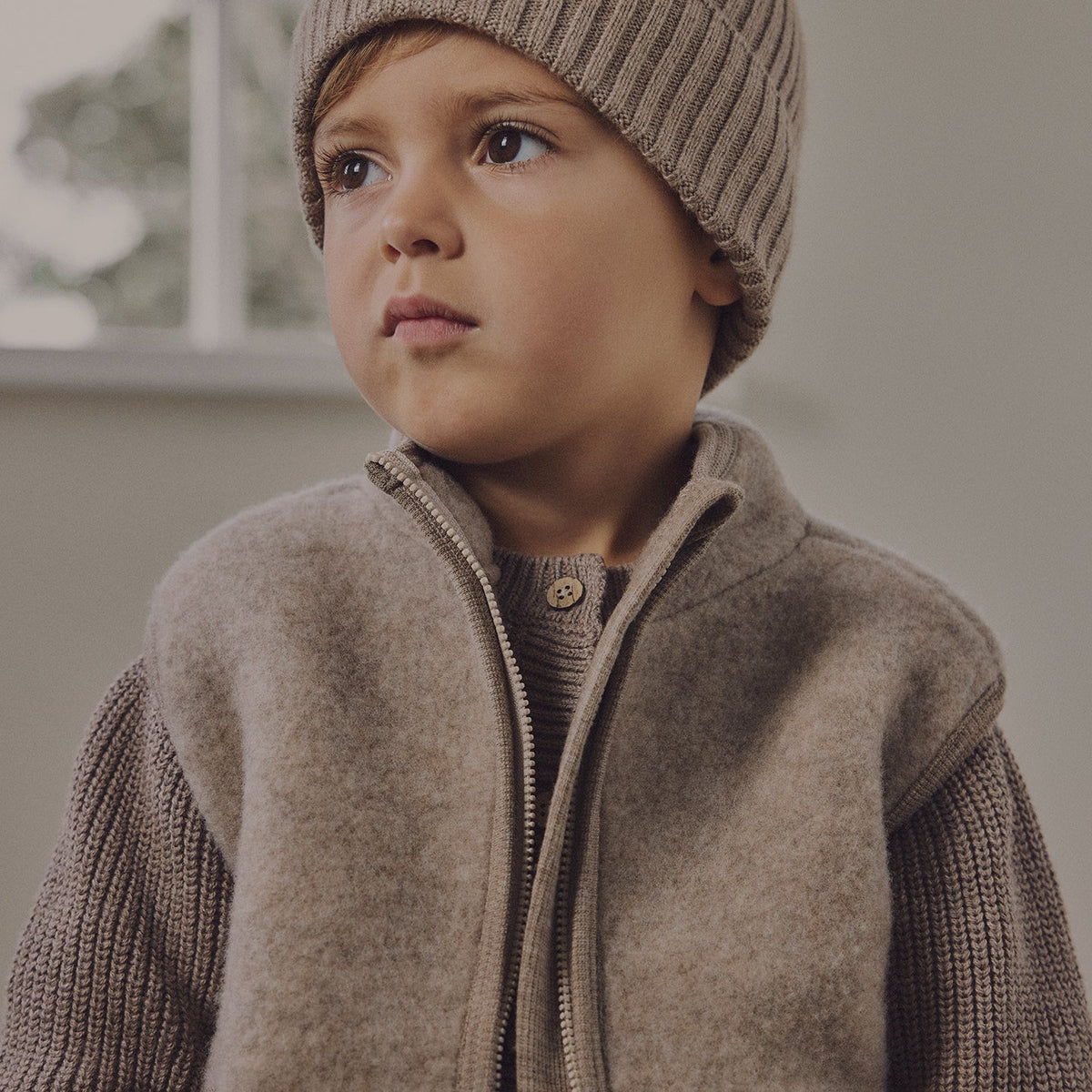
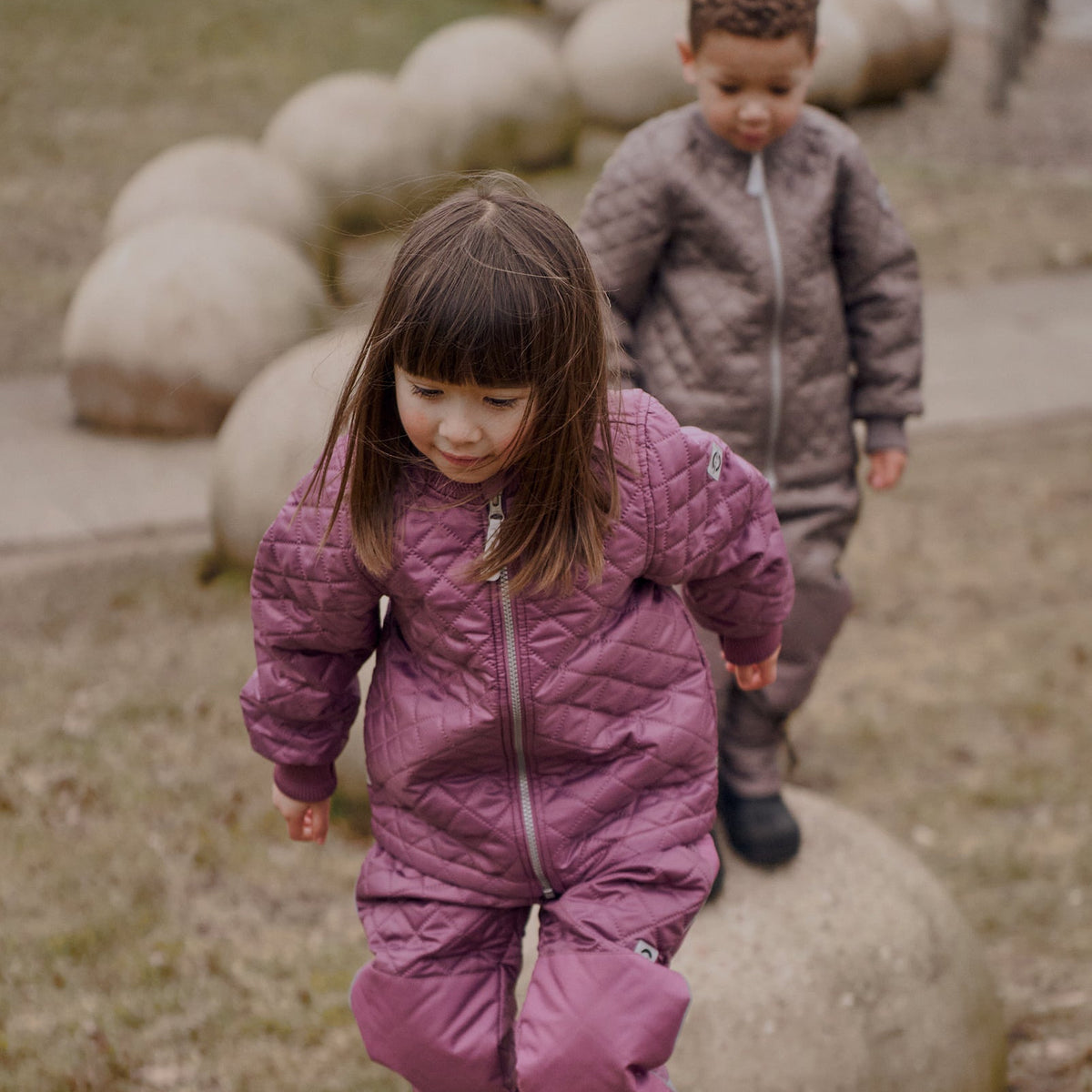
A thermal vest gives your child a warm layer around the body without covering the arms. This makes it ideal for spring and autumn, cool mornings and days when the weather shifts between sunshine, wind and lower temperatures. It is easy to bring to nursery, wear on the playground or put on when the family is heading outdoors.
When choosing a thermal vest, it is a good idea to consider your child's age, activity level and the season the vest will be used in. It can be worn over a blouse or knitted sweater, and some styles can also be worn under a jacket when the weather gets colder. Consider the fit, how much room there is for layers underneath and which practical details the style offers.
When is a thermal vest the right layer?
A thermal vest is a great choice when your child needs to keep their body warm while still having their arms free to run, climb and play. It can feel lighter than a jacket on active days when your child warms up quickly but still needs protection from cool air.
On mild days, the vest can be worn over a blouse or sweatshirt. When the temperature drops, it can be combined with a children's jacket or used as an extra layer under outerwear. It does not necessarily have to be worn on its own, but can be the flexible solution that makes it easier to adapt clothing to the weather.
For nursery and everyday wear, it is practical to choose a vest that your child can put on and take off independently. An easy zip, a soft collar and a fit that leaves room around the tummy and shoulders make the vest comfortable to wear, even when your child needs to switch quickly between indoor and outdoor play.
Thermal vests in quality materials with room to move
A thermal vest is usually made with an insulating layer that helps retain warmth. At the same time, the sleeveless design provides good freedom of movement around the arms and shoulders. This makes it well suited to children who rarely stay still for long.
It can be worth taking a closer look at the outer fabric, lining and filling of each thermal vest. These details affect how lightweight the vest feels, how well it protects against the wind and how it should be washed. If it will be worn to nursery several times a week, a hard-wearing outer fabric and simple care instructions are practical features.
A soft inner layer and elasticated edges can make the vest comfortable to wear, while pockets are useful for small stones, leaves and other treasures collected outdoors. A high collar can provide extra protection on cool days. The most important thing is that the details support your child's everyday activities without making the vest heavy or stiff.
How to choose the right thermal vest for your child
Start by considering when the vest will be used most often. For transitional weather and active play, a lightweight style is easy to combine with the clothes your child is already wearing. If it will also be used on cooler days, a slightly roomier fit can be an advantage, leaving space for a blouse, sweatshirt or lightweight knit underneath.
The vest should fit closely enough to retain warmth, while still allowing your child to move freely. Check the size guide and note whether the style runs small, true to size or roomy. If your child is between sizes, the larger size may be the best choice, especially if the vest is intended to be worn over several layers.
Colour and pattern also play a part when the vest needs to work with the rest of your child's wardrobe. Muted shades are easy to combine with outerwear and everyday clothes, while prints can add a little extra personality. House of Kids brings together thermal clothing from several children's brands, so you can compare fits, colours and details in one place.
Thermal vests from Wheat, MarMar and more children's brands
Thermal vests can vary in appearance from brand to brand and feature different details. Wheat is known for its calm, Nordic look with muted colours and recognisable prints. This makes the styles easy to incorporate into a functional wardrobe. The Wheat range includes, among others, the Gilet ede thermal vest.
MarMar has a simple, understated design that works well for everyday wear. Here you will find, among others, the Ora thermal vest. When comparing styles, it is best to check the details of the specific vest, as the filling, lining and fit can vary from one style to another—even within the same brand.
You will also find thermal clothing from several Danish and Nordic brands at House of Kids. This makes it easy to look for a vest that suits your child's size, needs and existing wardrobe. Colours and sizes change regularly, so always check the current details of the style you are considering.
Make the thermal vest part of your child's layering wardrobe
The thermal vest is particularly practical because it can be used in several ways throughout the season. Dress your child in a soft base layer underneath and add outerwear on top when the weather calls for more protection. On cold days, a layer of wool under the vest can provide extra warmth and help regulate body temperature, while a lightweight blouse is often enough when the weather is mild.
If your child needs more warmth around both the arms and body, a thermal jacket or another type of children's vest may be a better choice. This makes it easier to adapt their clothing to the day's temperature and to whether they will be spending most of the day indoors, on the playground or out exploring.
Always follow the care instructions for the individual thermal vest to help the materials and filling stay in the best possible condition. With a good fit and the right combination of layers, the vest becomes a simple and versatile piece of clothing for days when the weather cannot quite make up its mind.